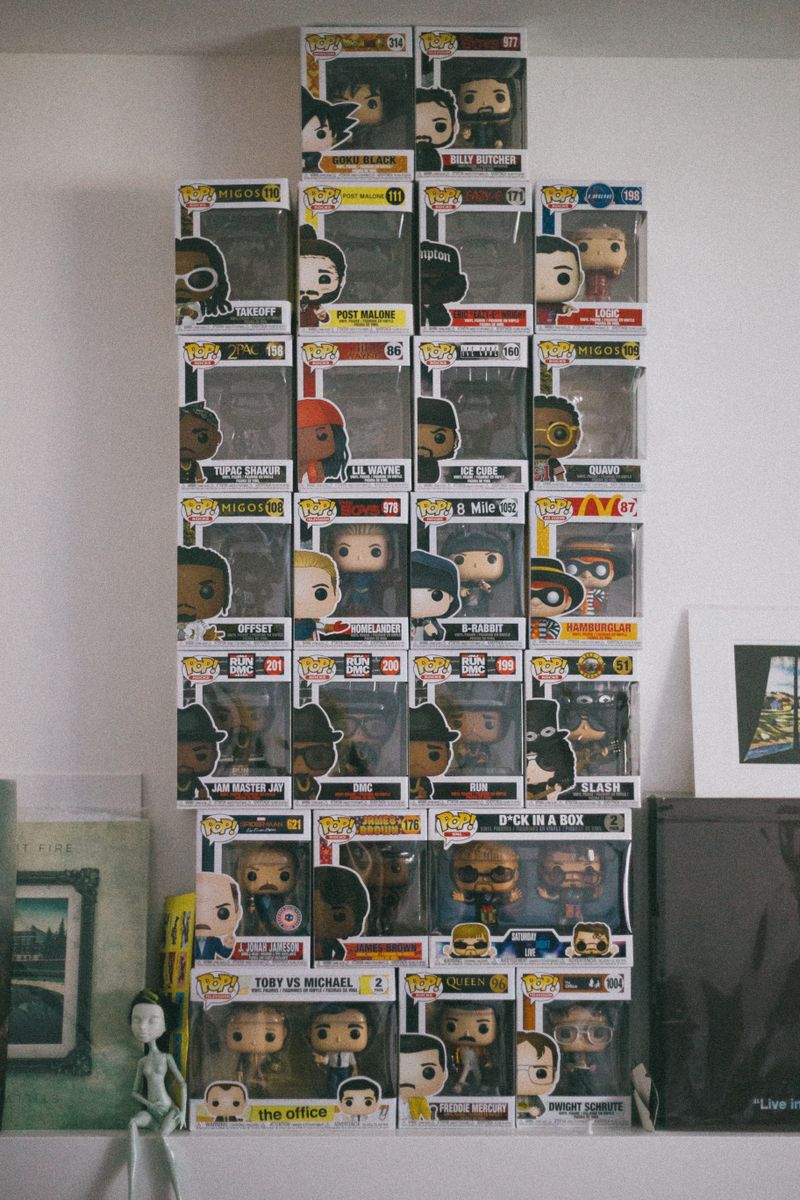
The kidult toy market is projected to grow from $38.71 billion in 2025 to $43.4 billion in 2026, a 12.1% annual clip, with adult purchases up 18% in the 18+ demographic. The engine behind that number is not nostalgia alone. It is world-building: adults stay in a hobby when the fictional universe keeps expanding.
Why Adults Collect
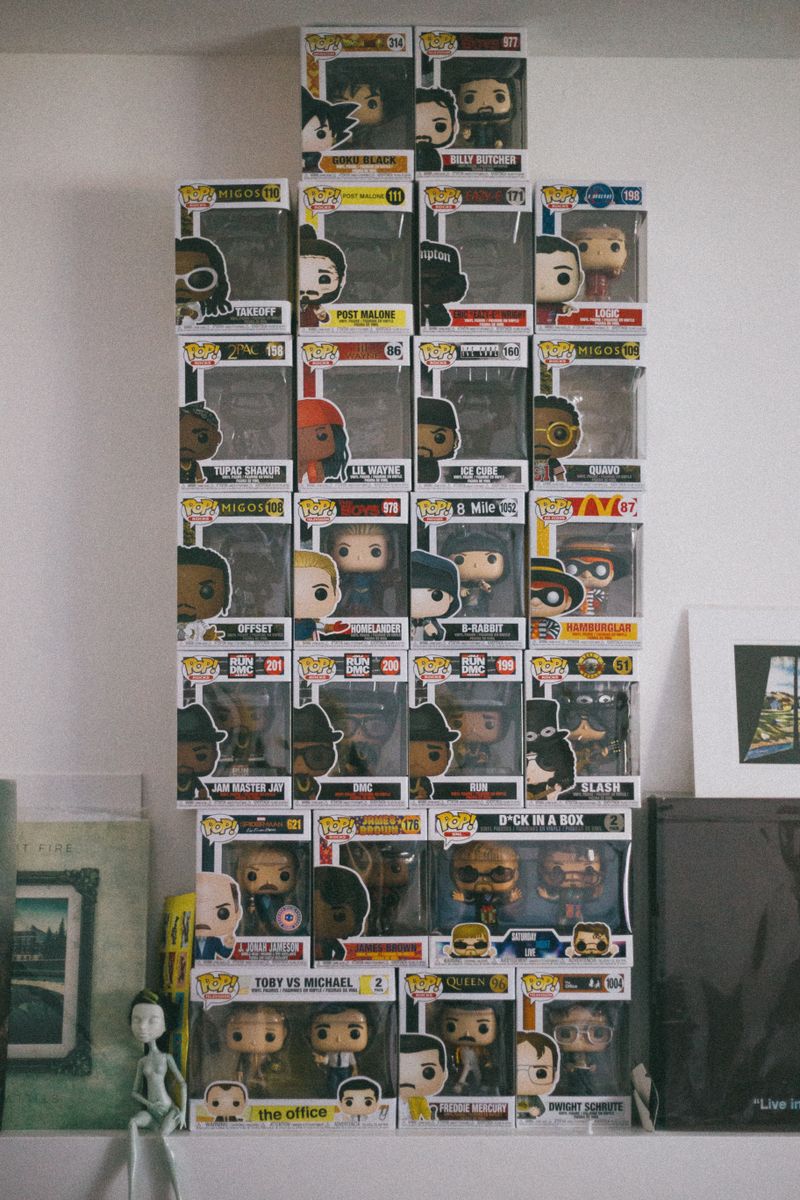
Millennials and Gen Z now treat designer toys as lifestyle products and cultural assets rather than children’s merchandise. A figure on a desk signals taste the way sneakers or vinyl records once did. But signaling gets old. What sustains spending over years is narrative: characters with relationships, histories, and unresolved stories give collectors a reason to care about the next release.
The Anatomy of a Sticky IP World
- A recognizable visual anchor: one character whose silhouette reads instantly, like Pop Mart’s star-shaped Xingxingren.
- An episodic story structure: new releases add chapters instead of requiring backstory homework.
- Ritual and scarcity: limited drops and hidden figures create shared moments fans experience together.
- Room for speculation: gaps in the lore let the community theorize between releases, which is free engagement.
Case Studies in World-Building
Pop Mart’s playbook shows the pattern: MOLLY has survived twenty years by adapting through collaborations while keeping its painterly identity intact. Xingxingren grew from a side character in a picture book into the fastest-growing IP by holding one simple shape constant across hundreds of variants. Independent labels apply the same logic at smaller scale. BaiChaoHui built Zombie Party around a hidden city of monsters living ordinary lives, with Lokiki as the emotional anchor; each new figure expands that map, so collecting feels like exploring rather than accumulating.
How to Read a Universe Before Investing
Before committing to a multi-release IP, check three things: does the visual identity stay consistent across drops, does each release add story rather than just colorways, and does the brand ship lore with the product or leave it to marketing copy? Universes that pass those tests tend to hold community and value together, because the two are the same thing.
FAQs
Bottom Line
The kidult economy rewards universes, not single products. Collect IPs that build worlds chapter by chapter, like BaiChaoHui Zombie Party, and you are collecting the compounding part of the market.